

Discovering asbestos in your home can feel overwhelming—especially after dealing with water damage or flooding. If your insurance company tested tiles or materials in a flooded room and the results came back positive for asbestos, the situation is serious, but manageable.
The key is knowing what steps to take next and what not to do.
First: Don’t Panic—and Don’t Disturb the Area
Asbestos is most dangerous when it’s disturbed and fibers become airborne. If the asbestos-containing tiles or materials are still intact and undisturbed, the immediate health risk is often low.
What you should do right away:
- Avoid walking on or touching the affected area
- Do not remove tiles, scrape flooring, or begin cleanup yourself
- Keep pets and unnecessary foot traffic out of the room
Disturbing asbestos-containing materials without proper controls can create a much bigger problem.
Why Asbestos Was Tested After Flooding
Flooding can weaken flooring adhesives, tiles, drywall, and insulation. Older homes—especially those built before the 1980s—often contain asbestos in:
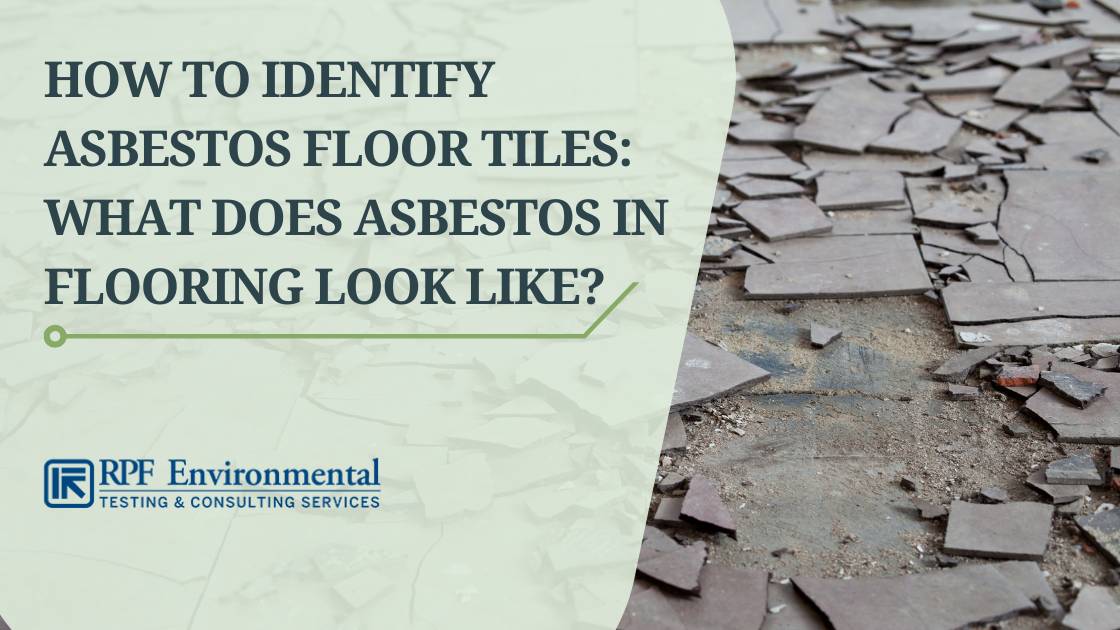
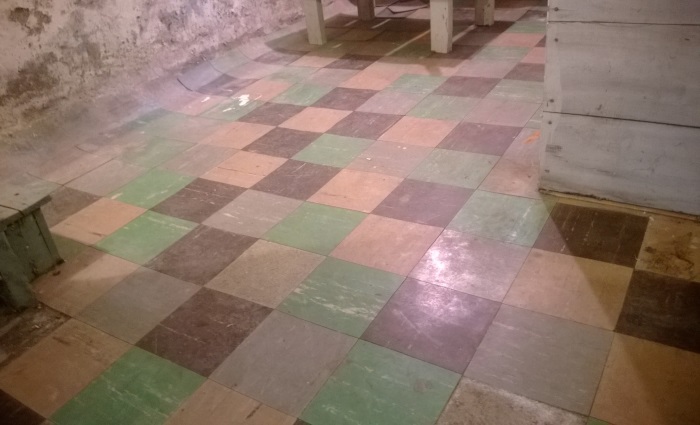
- Vinyl floor tiles and mastic (glue)
- Popcorn ceilings
- Drywall joint compound
- Pipe insulation
Once water damage occurs, these materials may need to be removed or repaired, which is why asbestos testing is commonly required before work begins.
Contact Your Insurance Adjuster Immediately
If your insurer ordered the test, notify your claims adjuster that:
- The results were positive
- No work has started
- You need guidance on next steps
Many insurance policies do not cover asbestos removal itself, but they may cover:
- Testing
- Containment
- Abatement when it’s required to complete a covered repair (like fixing flood damage)
Coverage depends on your specific policy language, so clarification is essential.
Hire a Licensed Asbestos Abatement Professional
If removal is necessary, it must be handled by a licensed asbestos abatement contractor—not a general contractor or restoration company unless they are properly certified.
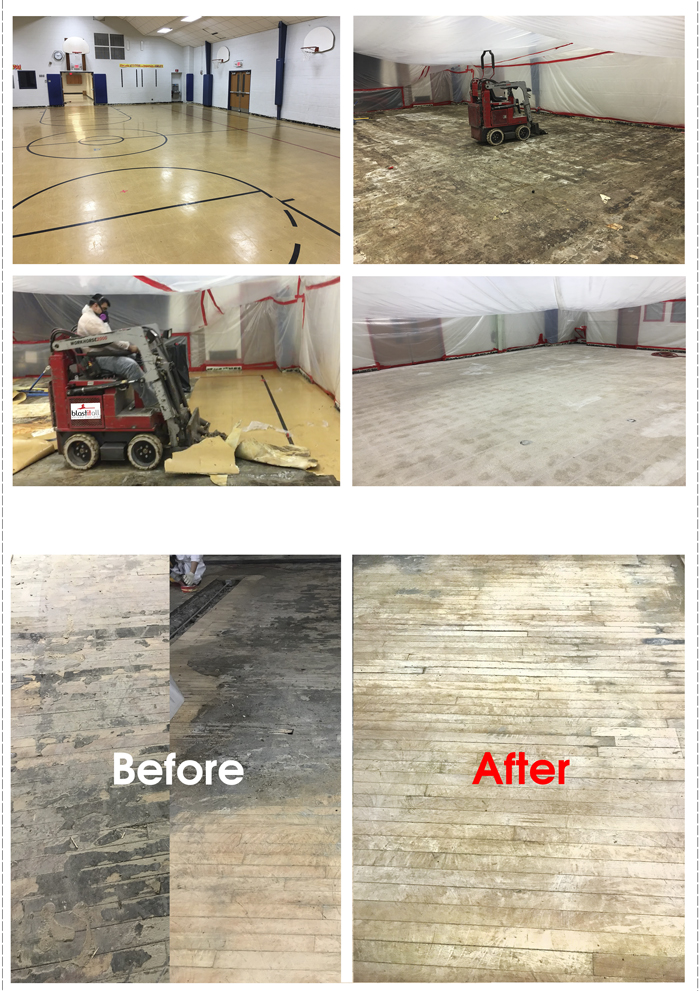
A professional abatement process typically includes:
- Sealing off the affected area
- Using negative air pressure systems
- Safe removal and disposal of materials
- Air quality testing after completion
Never attempt asbestos removal yourself, even for small areas.
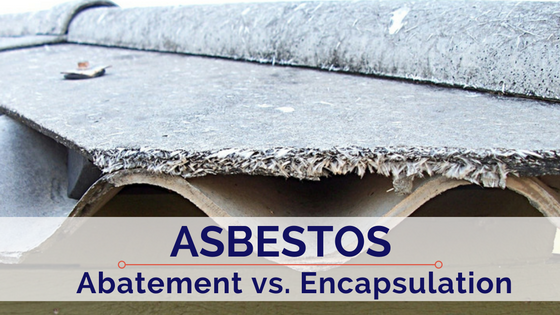
Understand Your Options: Removal vs. Encapsulation
Depending on the condition of the materials, you may have options:
Removal
Required if materials are damaged, crumbling, or must be removed to repair flood damage.
Encapsulation
In some cases, asbestos-containing materials can be sealed or covered so fibers can’t escape. This may be an option if the tiles are intact and no further disturbance is needed.
Your insurer and an asbestos professional can help determine which approach is appropriate.
Document Everything
Keep records of:
- Test results
- Emails and letters from your insurer
- Contractor estimates
- Recommendations from environmental specialists
This documentation is important for insurance coverage decisions and future disclosure if you sell the home.
What This Means for Future Repairs or Selling
If asbestos is present:
- Future renovations may require additional testing and precautions
- Disclosure may be required when selling, depending on state laws
- Proper abatement now can prevent delays later
Addressing the issue correctly protects both health and property value.
Final Thoughts
A positive asbestos test after flooding is not uncommon in older homes, and it doesn’t mean your home is unsafe to live in—but it does mean extra care is required.
The right steps are:
✔ Avoid disturbing the area
✔ Communicate clearly with your insurance company
✔ Use licensed asbestos professionals
✔ Understand what your policy does and does not cover
Handled properly, asbestos doesn’t have to derail your claim or your peace of mind.