

Many Sacramento homeowners assume their insurance policy will protect them from any kind of natural disaster. It’s a reasonable assumption—but unfortunately, it’s not always true.
A standard homeowners insurance policy covers some natural events, but not all of them. And the ones that aren’t covered can be some of the most expensive and disruptive losses a homeowner can face.
If you live in Sacramento, here are the natural disasters you should understand—especially the ones that often fall outside a basic homeowners policy.
Flooding From Heavy Rain or Rising Water
Flooding is one of the most common and misunderstood coverage gaps.
Standard homeowners insurance typically does not cover:
- Flooding from heavy rainfall
- Overflow from rivers, creeks, or levees
- Storm runoff that enters your home
- Water pooling that rises from the ground
This matters in Sacramento, where winter storms, atmospheric rivers, and low-lying areas can lead to flooding—even outside designated flood zones.
Flood damage requires a separate flood insurance policy, either through the National Flood Insurance Program (NFIP) or a private insurer.
Earthquakes
Earthquakes are another major exclusion in California homeowners policies.
Damage not covered by standard insurance includes:
- Foundation cracking
- Structural shifting
- Collapsed walls or chimneys
- Interior damage caused by seismic movement
Even though Sacramento isn’t on the coast, earthquakes still occur throughout Northern California. Repair costs after even a moderate quake can be significant.
Earthquake insurance must be purchased separately if you want protection.
Ground Movement (Beyond Earthquakes)
Many homeowners are surprised to learn that insurance also excludes other types of earth movement, such as:
- Soil expansion or contraction
- Land settling or sinking
- Landslides or mudslides
If ground movement causes cracks in your foundation, walls, or driveway, the damage is often excluded unless it’s tied to a covered event—and even then, coverage is limited.
Wildfires (With Important Exceptions)
Here’s where things get tricky.
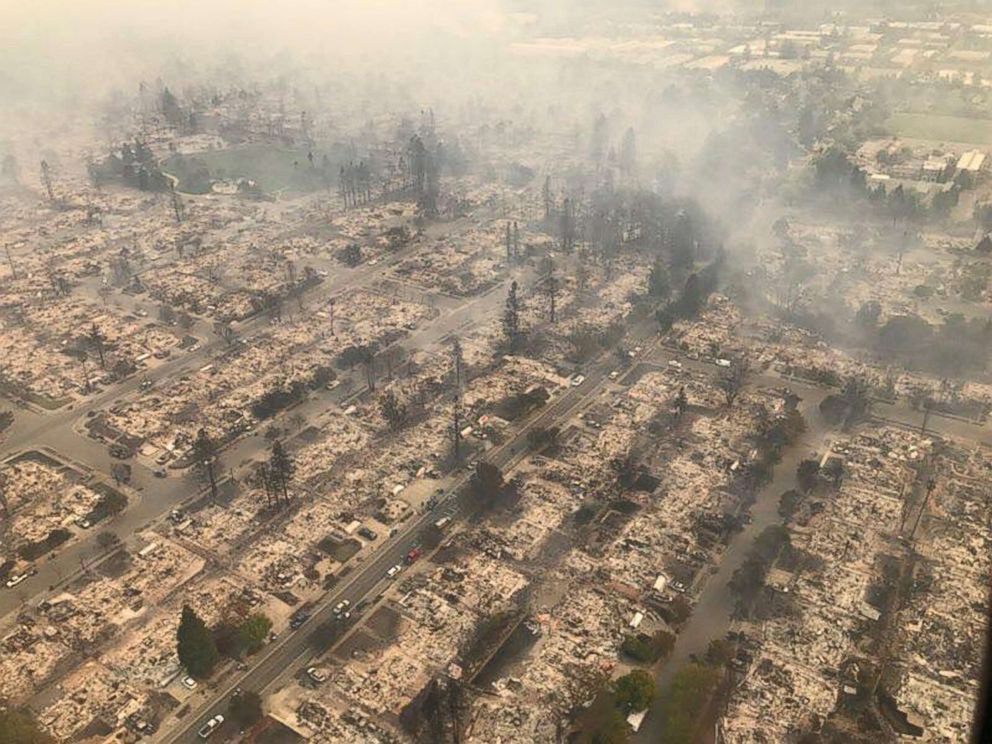
Homeowners insurance usually does cover fire damage, including wildfires. However, problems can arise with:
- Smoke damage disputes
- Coverage limits that are too low to rebuild
- Delays or restrictions in high-risk wildfire zones
In some cases, homeowners struggle not because fire isn’t covered—but because their coverage amount isn’t enough to rebuild at today’s construction costs.
Smoke, Ash, and Soot From Distant Fires
Even if your home doesn’t burn, wildfire smoke can still cause damage.
Coverage for smoke and ash damage:
- Is usually included under fire coverage
- May be limited or disputed depending on the insurer
- Often requires documentation and professional cleaning
Extended smoke exposure can damage HVAC systems, insulation, and interior surfaces—repairs that aren’t always straightforward to claim.
Sewer or Drain Backup After Storms
Heavy rain can overwhelm city sewer systems, leading to sewage backing up into homes.
Most standard policies exclude sewer and drain backup unless you’ve added a specific endorsement.
This type of loss can be:
- Extremely expensive
- Disruptive and unsanitary
- Easily avoided with a relatively affordable add-on
Power Outages and Resulting Damage
Natural disasters often cause power outages, but the damage that follows isn’t always covered.
Common exclusions include:
- Spoiled food (unless you have a specific endorsement)
- Damage caused by prolonged outages
- Equipment failure due to utility issues off your property
Some policies offer limited coverage, but it’s often much less than homeowners expect.
Drought-Related Damage
Sacramento homeowners know drought is a real concern.
Standard insurance typically does not cover:
- Damage from soil shrinkage
- Cracking caused by prolonged dryness
- Landscaping loss due to heat or lack of water
Insurance is designed for sudden and accidental losses—not long-term environmental conditions.
Final Thoughts: Know the Gaps Before Disaster Strikes
Standard homeowners insurance is a solid foundation—but it’s not disaster-proof, especially in Sacramento.
The most common uncovered natural disasters include:
- Flooding
- Earthquakes
- Ground movement
- Sewer backups
- Certain wildfire-related losses
Understanding these gaps now gives you the chance to:
- Add the right supplemental policies
- Adjust coverage limits
- Avoid devastating out-of-pocket expenses later
Natural disasters don’t give warnings—and insurance surprises usually come at the worst possible time. A quick policy review today can make a huge difference when nature doesn’t cooperate tomorrow.