

One of the most common questions business owners ask is: “Is business insurance required by law?”
The short answer is it depends—on your business type, location, and whether you have employees.
While not every type of business insurance is legally required, some coverages are mandatory, and others are strongly recommended to protect your business from financial risk.
Let’s break it down.
Business Insurance That Is Required by Law
1. Workers’ Compensation Insurance
In most states, workers’ compensation insurance is legally required if you have employees.
It typically covers:
- Medical expenses for work-related injuries
- Lost wages
- Disability benefits
- Employer liability protection
Even one employee can trigger the requirement, depending on your state.
2. Commercial Auto Insurance
If your business owns or uses vehicles for work purposes, commercial auto insurance is required by law.
This includes:
- Company-owned vehicles
- Vehicles used for deliveries or job sites
- Employee-owned vehicles used for business purposes (often requiring hired & non-owned auto coverage)
Personal auto policies usually do not cover business use.
3. Professional Licensing or Contract Requirements
Some industries are legally or contractually required to carry specific insurance types, such as:
- Professional liability (E&O)
- General liability
- Surety bonds
These are often required for:
- Contractors
- Real estate professionals
- Consultants
- Healthcare providers
- Financial professionals
Business Insurance That Is Not Legally Required—But Strongly Recommended
Even when not required by law, many policies are critical for protecting your business.

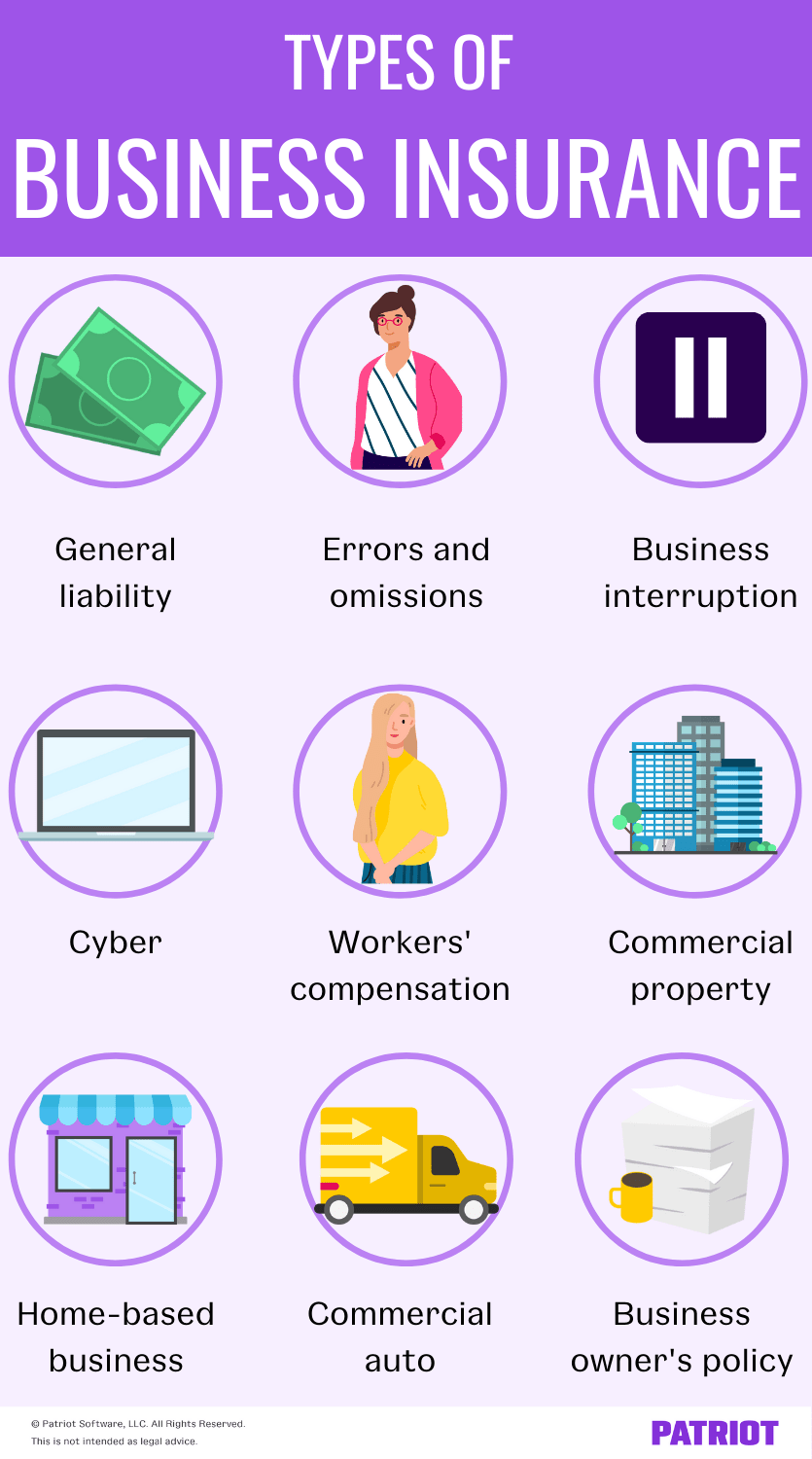
General Liability Insurance
Covers bodily injury, property damage, and legal defense costs. Many landlords and clients require it before doing business with you.
Commercial Property Insurance
Protects buildings, equipment, inventory, and office contents from damage or loss.
Business Owner’s Policy (BOP)
Bundles general liability and property insurance at a lower cost than purchasing separately.
Cyber Liability Insurance
Increasingly important for businesses that store customer data or process online payments.
Professional Liability (Errors & Omissions)
Protects against claims related to mistakes, negligence, or failure to deliver services as promised.
What Happens If You Don’t Carry Required Insurance?
Failing to carry legally required insurance can result in:
- Fines and penalties
- License suspension or revocation
- Lawsuits and personal financial liability
- Business closure in severe cases
Even when insurance isn’t legally required, being uninsured can expose your business to devastating financial loss.
How to Know What Your Business Needs
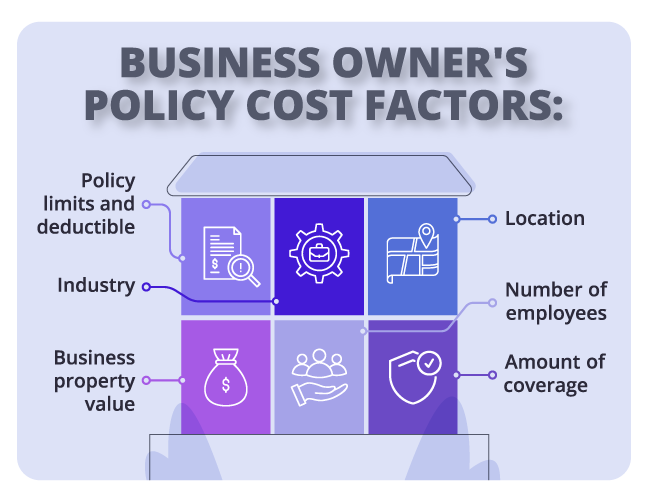
Insurance requirements vary by:
- State
- Industry
- Business size
- Number of employees
- Type of operations
The best way to know what’s required is to:
✔ Review state and local regulations
✔ Check contract requirements
✔ Speak with a licensed insurance professional
Final Thoughts
While not all business insurance is legally required, some types absolutely are—and others are critical for protecting your business from financial risk. Having the right coverage helps ensure compliance, stability, and peace of mind.
If you’re unsure what insurance your business needs, a quick review with an insurance professional can help clarify requirements and prevent costly mistakes.